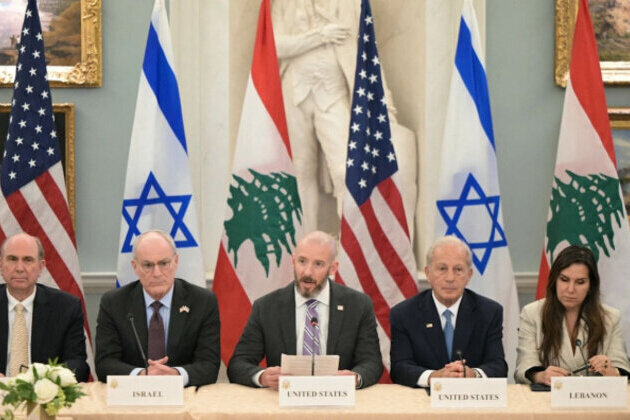
Israel and Lebanon have agreed to move forward with a new ceasefire arrangement aimed at ending months of hostilities along their border, in a development the Trump administration hopes will remove a major obstacle to broader negotiations over the war involving Iran.
The agreement, announced following U.S.-mediated talks in Washington, is based on a complete halt to attacks by the Iran-backed Hezbollah movement and the withdrawal of all Hezbollah fighters from areas south of the Litani River in southern Lebanon. The deal was formally concluded between the governments of Israel and Lebanon, although Hezbollah itself did not participate in the negotiations.
The Lebanese government has pursued the talks independently as part of a wider effort to reassert state authority across the country and reduce the influence of armed groups operating outside government control. Under the proposed framework, so-called ?pilot zones? would be established in southern Lebanon, where the Lebanese Armed Forces would assume exclusive security control, excluding all non-state actors.
Despite the announcement, the situation on the ground remained fragile. Israeli forces carried out drone strikes in the Nabatieh region of southern Lebanon only hours after the agreement was made public. Air raid alerts were also reported in northern Israel after authorities detected what they described as a suspicious aerial target. No casualties were reported in that incident.
A Hezbollah official told AFP that the group would ?not accept a partial ceasefire? and emphasized that it had not participated in the negotiations. At the same time, reports suggested the organization had privately indicated a willingness to accept a comprehensive cessation of hostilities, provided Israel also halted its military operations. Hezbollah has repeatedly stated that it does not intend to return to the previous status quo, under which Israeli strikes continued despite earlier ceasefire arrangements.
One unresolved issue concerns the future presence of Israeli troops in southern Lebanon. The joint statement made no reference to a timetable for withdrawal, while Israel continues to hold territory along the Lebanese border. Previous ceasefire attempts have repeatedly broken down. A truce that was supposed to take effect on April 17 failed to stop the violence, with both sides accusing the other of violating its terms. A later extension agreed in May also failed to fully end hostilities.
The Washington meetings represented the fourth round of direct discussions between Lebanese and Israeli representatives since tensions escalated on March 2, when Hezbollah resumed attacks against Israel in support of Iran. According to the joint statement, negotiations will continue, with additional meetings planned later this month in an effort to finalize implementation details and work toward a broader settlement.
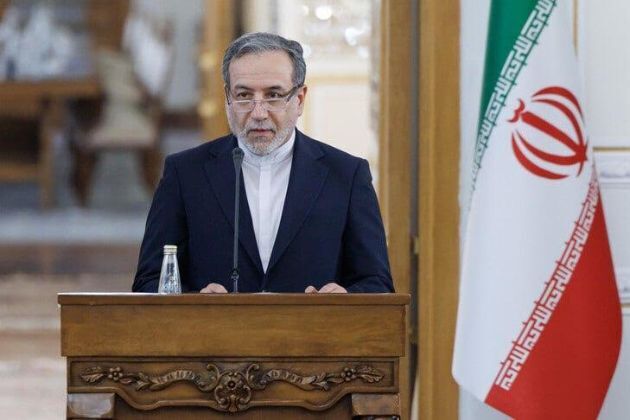
The ceasefire initiative is closely tied to wider diplomatic efforts surrounding Iran. Although President Donald Trump publicly suggested that the Lebanese track should be separated from negotiations over Iran, Tehran has insisted that the issues remain interconnected. Iranian officials have warned that continued Israeli military action in Lebanon could jeopardize ongoing discussions with Washington.
Iran has also made clear that it will not abandon Hezbollah as part of any future agreement with the United States. Meanwhile, Lebanese authorities have stressed that Tehran does not speak on Lebanon's behalf in negotiations. Analysts believe Hezbollah's future role in Lebanon will ultimately depend on the outcome of broader talks involving Iran and regional security arrangements.
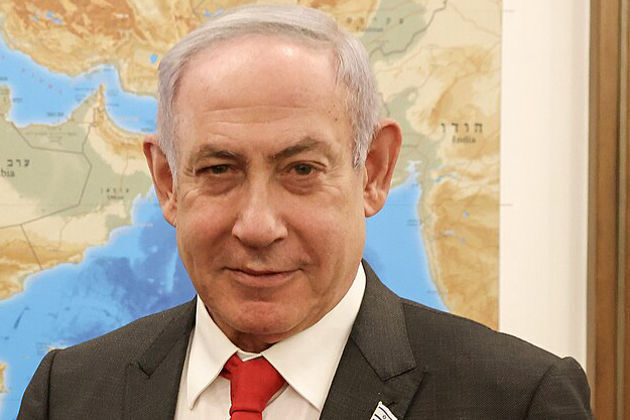
Trump recently revealed that he personally intervened to prevent an Israeli strike on Beirut and had spoken directly with Israeli Prime Minister Benjamin Netanyahu as well as Hezbollah representatives. According to the U.S. president, ?all shooting will stop.? He also acknowledged describing Netanyahu as ?crazy,? explaining that he was frustrated by actions that complicated U.S.-led diplomatic efforts.
Netanyahu, for his part, has argued that disarming Hezbollah remains essential to achieving lasting peace between Israel and Lebanon. Analysts say Israel appears determined to weaken Hezbollah as much as possible before any broader regional agreement limits its military options.
The conflict has also become a domestic political issue in the United States. Trump faces growing pressure to bring an end to the wider confrontation with Iran as rising energy costs and economic uncertainty threaten Republican prospects ahead of upcoming elections. Reflecting those concerns, the U.S. House of Representatives approved a measure seeking to require congressional authorization for continued military involvement against Iran, although its practical impact remains uncertain.
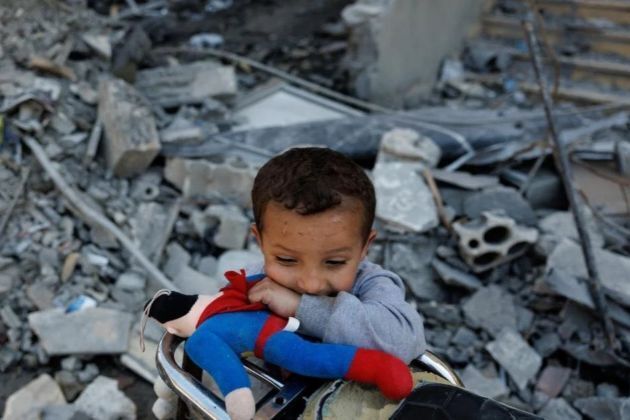
Violence in Lebanon continued even as diplomatic efforts intensified. Israeli strikes on Wednesday reportedly killed at least nine people in southern Lebanon, while Hezbollah announced attacks against Israeli forces. Among the locations struck were areas near medical facilities, including hospitals in Tebnine and Tyre. Lebanese authorities said an ambulance was also targeted, killing two paramedics affiliated with the Risala Scouts Association. Human rights organizations have argued that attacks on healthcare workers may constitute war crimes regardless of political affiliations.
The regional conflict widened further when Iran launched strikes against Kuwait, killing one person, injuring dozens, and damaging facilities at the country's airport. At the same time, U.S. forces carried out operations near the Strait of Hormuz. Tehran denied targeting the airport directly, claiming the damage was caused by American interceptor missiles that missed their targets, while U.S. officials rejected that explanation and insisted Iranian drones had deliberately struck the site.
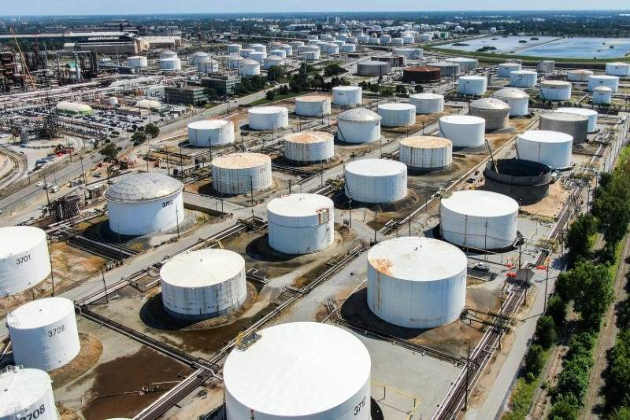
The continued instability around the Strait of Hormuz remains a major concern for global markets. Before the war, roughly one-fifth of the world's oil supply passed through the strategic waterway. Its effective closure for months has fueled fears of inflation and slower economic growth worldwide.
Financial markets reacted cautiously to news of the Israel-Lebanon agreement. Oil prices fell for the first time after three consecutive days of gains, with Brent crude dropping more than 1 percent and U.S. benchmark crude also moving lower. Investors interpreted the ceasefire announcement as a possible step toward reducing regional tensions, though uncertainty remains high.
Washington and Tehran have reportedly discussed a framework that could extend their truce by two months and eventually reopen the Strait of Hormuz. However, negotiations remain stalled, and intermittent exchanges of fire continue. Iranian officials have warned that attacks on Beirut could trigger further action against Israeli targets.
Market analysts caution that risks remain significant even if the ceasefire holds. Some forecasts suggest oil prices could climb sharply later this year if inventories continue to decline and diplomatic progress stalls. As one assessment noted, elevated energy costs and unresolved tensions in the Middle East continue to pose a serious challenge for both the global economy and ongoing diplomatic efforts.



 Share
Share
 Tweet
Tweet
 Share
Share
 Flip
Flip
 Email
Email