


Houthi Entry Into Iran War Raises Specter Of Twin Chokepoint Crisis
RFE
28 Mar 2026, 19:23 GMT+10
 Share
Share
 Tweet
Tweet
 Share
Share
 Flip
Flip
 Email
Email
Subscribe and Follow
Get a daily dose of Iran Herald news through our daily email, its complimentary and keeps you fully up to date with world and business news as well.


News RELEASES
Publish news of your business, community or sports group, personnel appointments, major event and more by submitting a news release to Iran Herald.
More InformationUS job seekers grow pessimistic despite low unemployment
WASHINGTON, D.C.: A growing share of Americans believe it is a bad time to look for a new job, highlighting a disconnect between low...
Gas shortages threaten beer supply in India, brewers say

NEW DELHI, India: Beer makers in India are warning of potential supply shortages and price increases as the war in Iran disrupts gas...
Nasdaq Composite dives 460 points Friday

NEW YORK, New York - U.S. stocks continued their pathway to an official correction Friday with all the major indices selling off. Oil...
Middle East war stalls Asia’s used-car shipments, traders hit

SEOUL/YOKOHAMA: The war in the Middle East is disrupting Asia's used-car trade, leaving shipments stranded, delaying deliveries, and...
Estee Lauder eyes Puig deal to expand global fragrance reach

NEW YORK CITY, New York: Estee Lauder is in discussions with Spanish beauty group Puig over a potential merger that could reshape the...
Inflation drives up cost of Japan’s hanami picnics

TOKYO, Japan: Japan's cherished cherry blossom picnics are becoming more expensive as global inflation drives up the cost of food and...
Middle East war stalls Asia’s used-car shipments, traders hit
SEOUL/YOKOHAMA: The war in the Middle East is disrupting Asia's used-car trade, leaving shipments stranded, delaying deliveries, and...
Assassination of Ali Larijani a blow to efforts to end war in Iran
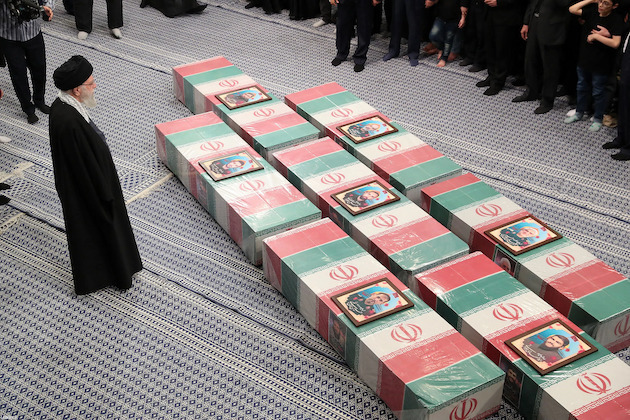
For decades, the United States moved from covert assassination plots to openly embracing assassination or targeted killing as policy....
U.S. says negotiations to end war in Iran underway
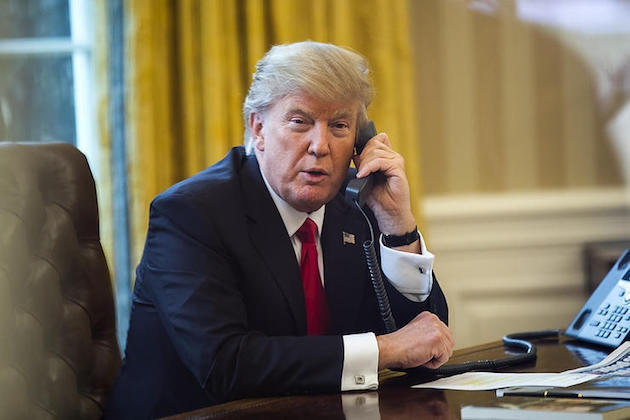
American President Donald Trump says the U.S. has held two days of talks with Tehran on a plan to end the war and has scrapped a 48-hour...
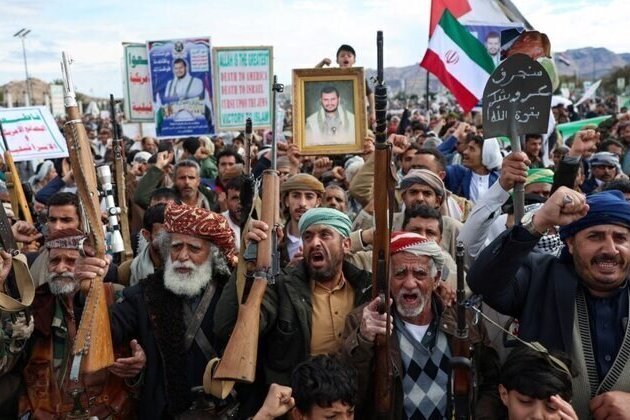
Houthi Entry Into Iran War Raises Specter Of Twin Chokepoint Crisis
Yemen's Houthi rebels on March 28 fired their first missiles at Israel since the Iran war began, but analysts warn the more consequential...
Xinhua Headlines: One month into U.S.-Israeli war with Iran, havoc with no end in sight
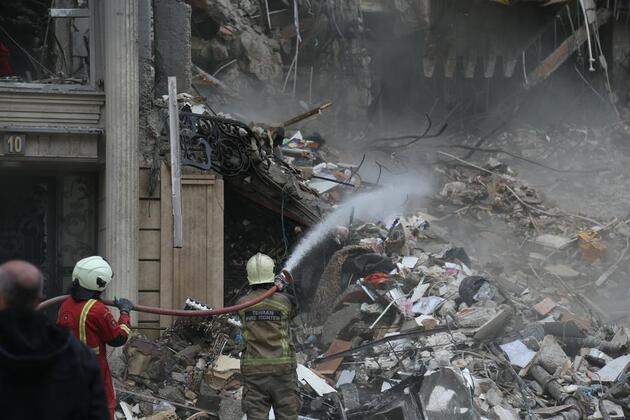
* Regional experts believe that while mounting regional and global pressure against the war could pave the way for a fragile, short-term...
Dubai World Cup: Landmark victory for Oman as Falaah wins Dubai World Cup night opener

DUBAI, 28th March, 2026 (WAM) -- Falaah, owned by H.H. Sayyid Shihab bin Harib bin Thuwaini Al Said, provided Oman with a historic...
